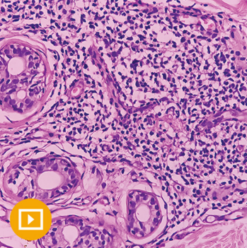
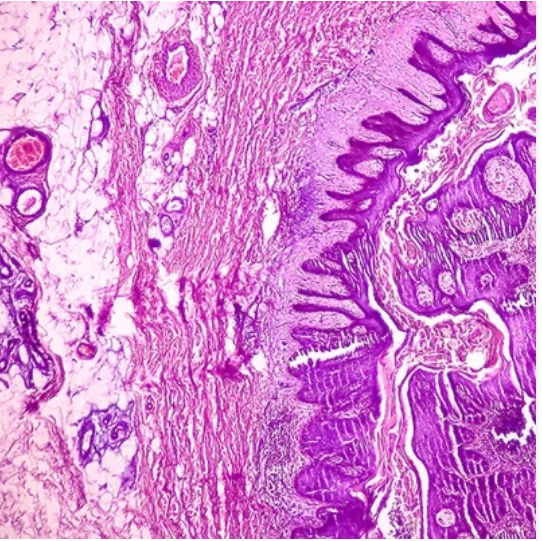
Dermatopathology: Masters of Pathology Series 2025 (Videos + PDF)

$30.00
This Product is shared via google drive download link, So please share your correct Gmail id while placing the order .Please note that there are no CME points or certificate associated with this course Samples for Courses Can be found here : Free Samples Here!
Dermatopathology: Masters of Pathology Series 2025 (Videos + PDF)
Master the Art and Science of Modern Dermatopathology
Dermatopathology: Masters of Pathology Series 2025 is a comprehensive, case-based educational program designed to provide pathologists, dermatopathologists, dermatologists, and pathology trainees with an in-depth review of both common and challenging skin disorders. As part of the renowned Masters of Pathology educational series, this course combines expert instruction, high-resolution histopathologic imaging, practical diagnostic frameworks, and real-world case studies to strengthen diagnostic accuracy and confidence in dermatopathology practice.
Blending practical clinical relevance with advanced microscopic interpretation, this program explores the full spectrum of inflammatory, infectious, reactive, and neoplastic skin diseases while emphasizing evidence-based diagnostic reasoning and clinicopathologic correlation. Through visually rich case presentations and expert commentary, participants gain valuable insight into diagnostic pitfalls, emerging disease entities, molecular pathology applications, and contemporary approaches to difficult differential diagnoses.
Whether evaluating routine skin biopsies or confronting rare and complex dermatopathology cases, this course provides the tools necessary to improve diagnostic precision and optimize patient care.
Course Overview
Dermatopathology remains one of the most visually demanding and diagnostically challenging subspecialties in pathology. Many inflammatory and neoplastic skin diseases share overlapping histologic features, making accurate interpretation dependent upon a structured and methodical diagnostic approach.
This advanced educational program is specifically designed to help clinicians navigate these challenges through detailed case-based instruction and expert-led discussions. Faculty members present practical diagnostic strategies for interpreting skin biopsies, recognizing subtle histopathologic clues, integrating clinical information, and utilizing ancillary studies when necessary.
The course focuses not only on establishing correct diagnoses but also on understanding why certain entities are commonly misdiagnosed and how diagnostic errors can be avoided through systematic analysis.
Participants will learn practical approaches that can be immediately implemented in daily practice, whether in academic centers, community hospitals, dermatology clinics, or specialized pathology laboratories.
Comprehensive Curriculum
Inflammatory Dermatoses
The course provides a detailed review of inflammatory skin disorders, emphasizing histologic pattern recognition and differential diagnosis.
Topics include:
- Spongiotic dermatitis
- Atopic dermatitis
- Contact dermatitis
- Psoriasiform dermatitis
- Psoriasis
- Lichenoid dermatitis
- Interface dermatitis
- Lupus erythematosus
- Dermatomyositis
- Pityriasis lichenoides
- Granulomatous dermatitis
- Sarcoidosis
- Vasculitis
- Autoimmune blistering diseases
- Drug-induced skin reactions
- Connective tissue disorders
- Infectious dermatoses
Participants learn how to distinguish between histologically similar inflammatory conditions using structured diagnostic algorithms and clinicopathologic correlation.
Melanocytic Lesions and Melanoma
Accurate diagnosis of melanocytic proliferations remains one of the most critical areas in dermatopathology.
This section explores:
- Benign melanocytic nevi
- Dysplastic nevi
- Spitz neoplasms
- Atypical melanocytic proliferations
- Melanoma in situ
- Invasive melanoma
- Difficult melanocytic lesions
- Molecular testing in melanocytic pathology
- Prognostic markers
- Diagnostic pitfalls in melanoma diagnosis
Expert faculty discuss practical strategies for evaluating challenging melanocytic lesions and avoiding overdiagnosis or underdiagnosis.
Cutaneous Epithelial Neoplasms
Participants review common and uncommon epithelial tumors including:
- Basal cell carcinoma
- Squamous cell carcinoma
- Keratoacanthoma
- Actinic keratosis
- Bowen disease
- Sebaceous neoplasms
- Adnexal tumors
- Rare epithelial malignancies
Special attention is given to histologic variants, prognostic features, and challenging differential diagnoses.
Soft Tissue and Adnexal Tumors
Topics include:
- Benign adnexal neoplasms
- Malignant adnexal tumors
- Cutaneous soft tissue tumors
- Fibrohistiocytic lesions
- Neural tumors
- Vascular tumors
- Mesenchymal proliferations
- Rare cutaneous neoplasms
Participants gain familiarity with uncommon entities frequently encountered in consultation practice.
Cutaneous Hematopathology
The course includes detailed discussions of:
- Cutaneous lymphomas
- Mycosis fungoides
- Sezary syndrome
- B-cell lymphomas
- Lymphoproliferative disorders
- Reactive lymphoid infiltrates
- Immunophenotypic evaluation
Faculty explain how immunohistochemistry and molecular studies can improve diagnostic accuracy in difficult lymphoid lesions.
Diagnostic Reasoning and Differential Diagnosis
A major focus of this course is teaching participants how expert dermatopathologists approach diagnostic challenges.
Topics include:
- Pattern-based diagnosis
- Histologic algorithms
- Differential diagnosis construction
- Avoiding cognitive bias
- Clinicopathologic correlation
- Integrating patient history
- Recognizing diagnostic traps
- Structured biopsy interpretation
The program emphasizes practical reasoning processes rather than simple memorization of diagnostic criteria.
Immunohistochemistry and Ancillary Testing
Modern dermatopathology increasingly relies on ancillary studies to support accurate diagnosis.
Participants learn how to appropriately utilize:
Immunohistochemistry (IHC)
- Melanocytic markers
- Lymphoid markers
- Epithelial markers
- Vascular markers
- Soft tissue markers
- Proliferation markers
Molecular Pathology
- Molecular diagnostic testing
- Gene fusion analysis
- Mutation testing
- Next-generation sequencing applications
- Molecular classification of tumors
Additional Ancillary Techniques
- Direct immunofluorescence
- Tissue culture
- Special stains
- Microbiologic testing
- Genetic analysis
Faculty provide practical guidance regarding when these tests are useful and when they may lead to diagnostic confusion.
Emerging Entities and New Developments
The course highlights recent advances in dermatopathology, including:
- Newly recognized skin diseases
- Updated classification systems
- Emerging molecular discoveries
- Novel biomarkers
- Evolving diagnostic criteria
- Contemporary treatment implications
Participants remain current with rapidly changing developments affecting modern dermatopathology practice.
Case-Based Learning Experience
One of the most valuable aspects of this program is its extensive collection of real-world cases.
Each case includes:
- Clinical presentation
- Histopathologic evaluation
- Differential diagnosis discussion
- Ancillary study interpretation
- Final diagnosis
- Clinical significance
- Diagnostic pearls and pitfalls
These interactive discussions closely simulate the diagnostic decision-making process encountered in daily practice.
Learning Objectives
After completing this course, participants will be able to:
- Develop systematic approaches to dermatopathology diagnosis.
- Improve recognition of inflammatory and neoplastic skin disorders.
- Construct accurate differential diagnoses for challenging skin lesions.
- Apply clinicopathologic correlation to improve diagnostic confidence.
- Utilize immunohistochemistry effectively in difficult cases.
- Incorporate molecular testing into modern dermatopathology practice.
- Recognize emerging disease entities and updated classifications.
- Identify common diagnostic pitfalls and avoid interpretive errors.
- Improve communication with dermatologists and clinical colleagues.
- Enhance overall diagnostic accuracy in skin pathology.
Educational Features
✔ Extensive Video Lectures
✔ High-Resolution Histopathology Images
✔ Real-World Case Studies
✔ Comprehensive PDF Course Materials
✔ Differential Diagnosis Frameworks
✔ Practical Diagnostic Pearls
✔ Emerging Disease Updates
✔ Immunohistochemistry Guidance
✔ Molecular Pathology Applications
✔ Evidence-Based Diagnostic Approaches
✔ Expert Faculty Instruction
✔ Continuing Medical Education Content
Target Audience
This course is designed for:
- Dermatopathologists
- Surgical Pathologists
- General Pathologists
- Dermatologists
- Dermatology Residents
- Pathology Residents
- Pathology Fellows
- Academic Faculty
- Skin Cancer Specialists
- Medical Educators
- Healthcare Professionals Interested in Skin Pathology
Why This Course Stands Out
Unlike traditional lecture-based pathology courses, Dermatopathology: Masters of Pathology Series 2025 emphasizes practical diagnostic reasoning and real-world problem solving. The course combines expert interpretation, visually rich pathology cases, contemporary molecular insights, and evidence-based diagnostic frameworks to help participants navigate even the most challenging dermatopathology scenarios.
Through comprehensive coverage of inflammatory disorders, melanocytic lesions, cutaneous neoplasms, lymphoid proliferations, immunohistochemistry, and molecular diagnostics, this program serves as an invaluable resource for clinicians seeking to improve both their diagnostic accuracy and confidence in dermatopathology.
Topics / Speakers
- Challenging Dermatoses – May Chan, MD
- Cutaneous Emergencies – May Chan, MD
- Adverse Reactions to Systemic Therapies – Steve Billings, MD
- Considerations in the Diagnosis of Histiocytoid Sweet Syndrome – Alexandra Hristov, MD
- Blastic Plasmacytoid Dendritic Cell Neoplasm – A Challenging Diagnosis with Important Implications – Alexandra Hristov, MD
- Lessons Learned from Difficult Cases and Near Misses – Ahmed Al-Omari, MD
- Superficial Mesenchymal Tumors – Carina Dehner, MD, PhD
- Cutaneous Vascular Tumors – Jason L. Hornick, MD, PhD
- IHC and Molecular Diagnostics in Skin Adnexal Tumor Pathology – Thibault Kervarrec, MD, PhD
- Avoiding Missteps in the Diagnosis of Acral Sweat Gland Tumors – Katharina Wiedemeyer, MD
- Diagnostic Criteria for Sebaceous Neoplasia and Their Differential Diagnosis – Katharina Wiedemeyer, MD
- MitF-Activated Neoplasms with Melanocytic Differentiation – Steve Billings, MD
- Guidelines for the Reporting of Primary Cutaneous Melanoma – Klaus Busam, MD
- Immunohistochemistry (IHC) for the Assessment of Melanocytic Tumors – Klaus Busam, MD
- An Update on Merkel Cell Carcinoma – Thibault Kervarrec, MD, PhD
Related products


Internal Medicine
Introduction to Adult EM Bootcamp + The Practice of Emergency Medicine (Hippo) 2020