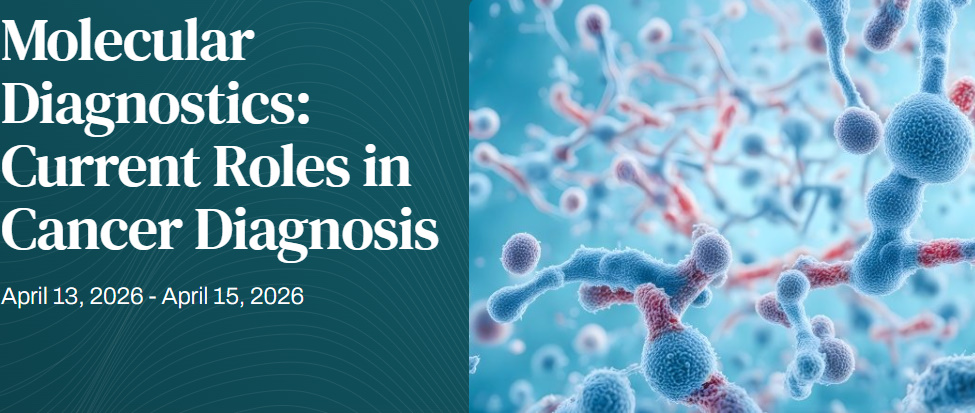
Harvard Molecular Diagnostics Current Roles in Cancer Diagnosis 2026
$55.00
This Product is shared via google drive download link, So please share your correct Gmail id while placing the order .Please note that there are no CME points or certificate associated with this course Samples for Courses Can be found here : Free Samples Here!
Harvard Molecular Diagnostics: Current Roles in Cancer Diagnosis 2026
Master the Latest Advances in Molecular Oncology and Precision Cancer Diagnostics
Harvard Molecular Diagnostics: Current Roles in Cancer Diagnosis 2026 is an advanced educational program designed to provide pathologists, oncologists, molecular diagnosticians, laboratory directors, and precision medicine specialists with a comprehensive review of contemporary molecular cancer diagnostics. Developed by leading faculty from Harvard Medical School and affiliated institutions, this course explores the rapidly evolving role of molecular pathology in cancer diagnosis, prognosis, treatment selection, and personalized patient care.
Through expert-led lectures, real-world case discussions, and practical laboratory applications, participants gain a deep understanding of modern molecular technologies including next-generation sequencing (NGS), liquid biopsy, circulating tumor DNA (ctDNA), bioinformatics, tumor profiling, and emerging biomarkers that are transforming oncology practice.
The program emphasizes the integration of molecular findings into clinical decision-making while addressing practical challenges related to test selection, interpretation, implementation, reimbursement, and accessibility in modern healthcare systems.
Course Overview
Molecular diagnostics has become an essential component of modern cancer care. Advances in genomic technologies now allow clinicians to identify actionable mutations, predict therapeutic response, monitor disease progression, and guide personalized treatment strategies across a wide range of malignancies.
This comprehensive course reviews the scientific foundations, clinical applications, and practical implementation of molecular oncology in routine patient care. Participants learn how molecular testing informs precision medicine, improves diagnostic accuracy, and supports individualized treatment planning across both solid tumors and hematologic malignancies.
Special emphasis is placed on emerging technologies, evolving biomarkers, and real-world applications that are shaping the future of cancer diagnosis and management.
Comprehensive Curriculum
Molecular Oncology Foundations
Participants review the core principles of molecular cancer diagnostics, including:
- Cancer genomics
- Somatic mutations
- Germline mutations
- Oncogenes and tumor suppressor genes
- Molecular pathways in cancer
- Precision oncology principles
- Companion diagnostics
- Biomarker-driven treatment strategies
The course establishes a strong foundation for understanding modern molecular testing methodologies.
Next-Generation Sequencing (NGS)
Extensive coverage includes:
- NGS workflow and methodology
- Targeted sequencing panels
- Whole exome sequencing
- Whole genome sequencing
- RNA sequencing
- Variant detection and classification
- Quality control procedures
- Clinical interpretation of genomic findings
Participants gain practical insight into implementing and interpreting NGS assays in clinical laboratories.
Bioinformatics in Molecular Diagnostics
Topics include:
- Data analysis pipelines
- Variant calling
- Annotation systems
- Quality assessment
- Clinical reporting
- Genomic databases
- Artificial intelligence applications
- Computational challenges in molecular pathology
Faculty explain how bioinformatics supports accurate genomic interpretation and precision medicine.
Liquid Biopsy and Circulating Tumor DNA
Participants explore:
- Circulating tumor DNA (ctDNA)
- Cell-free DNA analysis
- Minimal residual disease (MRD) monitoring
- Early cancer detection
- Treatment response assessment
- Disease surveillance
- Resistance mutation detection
The course reviews the rapidly expanding role of liquid biopsy technologies in oncology.
Solid Tumor Molecular Diagnostics
Coverage includes molecular testing strategies for:
- Lung cancer
- Breast cancer
- Colorectal cancer
- Melanoma
- Prostate cancer
- Ovarian cancer
- Pancreatic cancer
- Brain tumors
- Rare solid malignancies
Participants learn how genomic alterations influence diagnosis, prognosis, and targeted therapy selection.
Hematologic Malignancies
Topics include:
- Leukemia molecular profiling
- Lymphoma genomics
- Myelodysplastic syndromes
- Myeloproliferative neoplasms
- Minimal residual disease testing
- Molecular monitoring
- Targeted therapeutic approaches
Faculty discuss molecular testing applications across hematologic cancers.
Predictive and Prognostic Biomarkers
Participants review:
- EGFR mutations
- ALK rearrangements
- KRAS mutations
- BRAF mutations
- HER2 amplification
- BRCA mutations
- Microsatellite instability (MSI)
- Tumor mutational burden (TMB)
- PD-L1 testing
Special emphasis is placed on biomarkers that guide treatment selection.
Precision Medicine and Targeted Therapy
Coverage includes:
- Molecularly targeted therapies
- Precision oncology workflows
- Personalized treatment planning
- Resistance mechanisms
- Emerging targeted agents
- Clinical trial matching
- Companion diagnostics
Participants learn how molecular findings influence therapeutic decision-making.
Molecular Pathology Laboratory Management
Practical discussions include:
- Laboratory implementation
- Test validation
- Quality assurance
- Regulatory compliance
- Cost-effectiveness
- Reimbursement challenges
- Workflow optimization
- Laboratory leadership strategies
This section is particularly valuable for laboratory directors and administrators.
Emerging Technologies and Future Directions
The course highlights cutting-edge innovations including:
- Artificial intelligence in molecular diagnostics
- Multi-omics integration
- Single-cell sequencing
- Spatial transcriptomics
- Novel biomarker discovery
- Early cancer detection technologies
- Future precision oncology applications
Participants gain insight into technologies expected to shape the next generation of cancer diagnostics.
Learning Objectives
Upon completion of this course, participants will be able to:
- Explain the scientific principles underlying molecular cancer diagnostics.
- Interpret molecular test results and integrate findings into patient care.
- Utilize next-generation sequencing technologies effectively in oncology practice.
- Apply liquid biopsy technologies for diagnosis, monitoring, and treatment assessment.
- Select appropriate molecular tests for specific clinical scenarios.
- Evaluate predictive and prognostic biomarkers in cancer management.
- Communicate molecular diagnostic findings effectively within multidisciplinary teams.
- Understand practical considerations related to implementation, reimbursement, and access.
- Integrate emerging molecular technologies into precision oncology practice.
- Improve patient outcomes through personalized diagnostic and therapeutic strategies.
Educational Features
✔ 40 Expert Video Lectures
✔ 40 Subtitle Files (.VTT)
✔ 41 Comprehensive PDF Presentations
✔ Harvard Faculty Instruction
✔ Next-Generation Sequencing Review
✔ Liquid Biopsy Applications
✔ Precision Oncology Updates
✔ Bioinformatics Training
✔ Molecular Pathology Best Practices
✔ Biomarker Interpretation
✔ Clinical Case Discussions
✔ Evidence-Based Cancer Diagnostics
Target Audience
This course is designed for:
- Pathologists
- Molecular Pathologists
- Medical Oncologists
- Hematologist-Oncologists
- Laboratory Directors
- Clinical Geneticists
- Precision Medicine Specialists
- Pathology Residents
- Pathology Fellows
- Oncology Fellows
- Clinical Laboratory Scientists
- Healthcare Professionals Involved in Cancer Diagnostics
Why This Course Stands Out
Harvard Molecular Diagnostics: Current Roles in Cancer Diagnosis 2026 provides a comprehensive and practical review of modern molecular oncology. Combining foundational molecular biology, advanced genomic technologies, bioinformatics, liquid biopsy applications, biomarker interpretation, and precision medicine strategies, the program equips participants with the knowledge and skills necessary to navigate the rapidly evolving landscape of cancer diagnostics and personalized oncology care.
4. Topics
-
01 Integrated Molecular Oncology in 2026 Trends and Tools for Gene Fusion Detection
-
02 End-to-end Process to Accelerating Treatment Initiation with Next-day NGS
-
03 Translation of Molecular to Immunohistochemistry
-
04 Informatics Architecture
-
05 NGS Pipelines Demystified Practical Bioinformatics
-
06 Tumor Mutation Burden, MSI, and HRD
-
07 Indel Detection
-
08 Viral Sequence Detection and Other Signatures
-
09 Gene Fusion Detection and Interpretation by RNA-based NGS a Practical, Cased-based Approach
-
10 Additional Informatics Analyses Detection of Clinically Significant Isoforms and Sub-gene Events through RNA andor DNA-based NGS
-
11 Oncogenicity Interpretation of Gene Fusions Detected by RNA-based NGS
-
12 Applications of Long-Read Sequencing for Cancer Diagnostics
-
13 Liquid Biopsy and ctDNA Technical and Clinical Perspectives
-
14 Panel Discussion Tissue vs Liquid Biopsy
-
15 Sarcoma and Fusion Testing
-
16 Molecular Diagnostics for GYN Tumors
-
17 Molecular Diagnostics for Pediatric Tumors
-
18 GU Cancers Molecular Markers (Only PDF, No Video)
-
19 Copy Number Variation via NGS and Microarray
-
20 Cytogenomics Technical Focus
-
21 Cytogenomics Clinical Focus
-
22 Gliomas and Methylation Profiling
-
23 Germline Testing in Oncology What, When, and How
-
24 Tumor-Normal Paired Sequencing Clinical Impact
-
25 Case Review Pathology Oncology Perspectives
-
26 Melanoma Molecular Pathology
-
27 Molecular Diagnostics for Breast Cancer
-
28 Tumor Board Simulation Real Case Review
-
29 Myeloid Neoplasms and MRD Testing
-
30 Leukemia Molecular Diagnostics (B- and T-cell)
-
31 Molecular Diagnostics and Lymphoma
-
32 Pharmacogenomics in Oncology Management
-
33 Lung Tumor Testing
-
GI Cancer Case-Based Applications VIDEO + PDF Not Release
-
-
35 Thyroid Cancer and Salivary Tumor Genomics
-
36 AI in Molecular Oncology
-
37 Interactive Workshop Case Report Writing and Communication
-
38 The Power of Patient Partnership in Cancer Advocacy
-
39 Building a Molecular Profiling Program
-
40 Regulatory and Reimbursement Essentials
-
41 Lab Leadership and Challenges
-
42 Future Directions in Molecular Oncology
Related products
Hematology / Oncology
USCAP THORAX DECONSTRUCTED Experts Guide to What Can Go Wrong Inside the Chest 2023
Obstetrics & Gynecology
AIUM Ultrasound of Ankle and Foot Pathology and Therapeutics 2020 (CME VIDEOS)