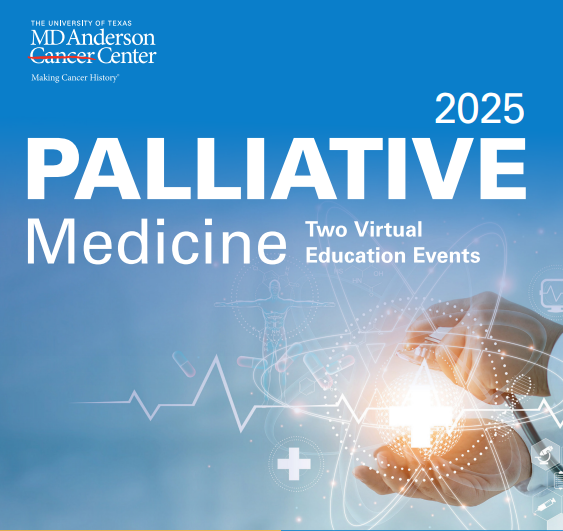
Updates in Hospice and Palliative Medicine and Intensive Physician Board Review Course 2025
$100.00
This Product is shared via google drive download link, So please share your correct Gmail id while placing the order .Please note that there are no CME points or certificate associated with this course
Samples for Courses Can be found here : Free Samples Here!
MD Anderson Updates in Hospice and Palliative Care and Intensive Physician Board Review 2025
Introduction
The MD Anderson Updates in Hospice and Palliative Care and Intensive Physician Board Review 2025 is a comprehensive virtual educational program developed by The University of Texas MD Anderson Cancer Center for physicians, fellows, advanced practice providers, and clinicians specializing in hospice and palliative medicine. Designed to prepare participants for the ABIM Hospice and Palliative Medicine (HPM) certification examination, this intensive three-day board review course combines evidence-informed palliative medicine education with practical bedside approaches to advanced symptom management, communication, ethics, psychosocial care, and interdisciplinary serious illness management.
Hosted virtually from September 16–18, 2025, the course explores the evolving role of palliative medicine in oncology, critical care, chronic disease management, geriatrics, and end-of-life care. Participants gain clinically relevant insight into pain management, opioid stewardship, prognostication, hospice care, pediatric palliative medicine, ICU symptom management, and challenging communication scenarios through expert-led lectures and case-focused educational discussions.
Structured around the ABIM HPM examination blueprint, the program delivers both board-focused preparation and practical clinical education applicable to real-world hospice and palliative care practice.
Files Included
The MD Anderson Hospice and Palliative Care Board Review 2025 educational package includes comprehensive hospice and palliative medicine learning resources designed for flexible professional review.
Included resources may consist of:
- Virtual board review lectures
- ABIM blueprint review materials
- Question handbook and answer handbook
- Advanced symptom management educational sessions
- Pain and opioid stewardship discussions
- Communication and ethics modules
- ICU and end-of-life care educational content
- Pre-recorded palliative medicine sessions
- Case-based board review discussions
- Downloadable educational resources when available
These materials support board examination preparation and advanced interdisciplinary palliative care education.
Why This Course Is Important
Palliative medicine continues to play an increasingly central role in healthcare as patients with cancer, organ failure, neurodegenerative illness, and advanced multisystem disease live longer with complex physical, emotional, psychosocial, and spiritual needs. Modern clinicians are expected to manage difficult symptoms, facilitate emotionally complex conversations, address ethical dilemmas, and support both patients and families throughout serious illness trajectories.
At the same time, advances in oncology, immunotherapy, intensive care medicine, and chronic disease treatment have created new challenges involving symptom burden, treatment toxicities, opioid stewardship, prognostic uncertainty, and end-of-life decision-making.
The MD Anderson Updates in Hospice and Palliative Care and Intensive Physician Board Review 2025 addresses these realities through a highly practical educational framework emphasizing bedside symptom management, communication skills, interdisciplinary collaboration, ethical reasoning, and individualized patient-centered care strategies relevant to contemporary palliative medicine.
What Participants Will Learn
Participants completing this course will strengthen their understanding of hospice and palliative medicine, symptom management, and serious illness communication.
Learning objectives include:
- Analyzing spiritual, legal, ethical, and medical challenges in end-of-life care
- Delivering advanced pain and symptom management strategies
- Applying effective communication techniques for serious illness discussions
- Understanding opioid management, opioid rotation, and opioid safety principles
- Managing delirium, dyspnea, cachexia, fatigue, nausea, constipation, and bowel obstruction
- Understanding pediatric and geriatric palliative medicine considerations
- Applying prognostication frameworks in advanced illness
- Managing psychosocial distress, grief, anxiety, depression, and bereavement
- Understanding hospice eligibility and Medicare hospice benefits
- Applying ethical and legal decision-making principles in palliative medicine
- Reviewing ICU palliative care and ventilator weaning strategies
- Preparing for the ABIM Hospice and Palliative Medicine certification examination
The curriculum integrates symptom management, ethics, psychosocial care, supportive oncology, communication strategies, and interdisciplinary palliative medicine into a comprehensive educational experience.
Full Course Topics & Lectures
Tuesday, September 16, 2025
Board Review Foundations
ABIM Blue Print
Answer HandBook Palliative Board Review 2025
Question HandBook Palliative Board Review 2025
Welcome Introduction and General Overview of Course: How to Take the Exam — Sriram Yennu, MD
Pain Management & Opioid Stewardship
Pain: Assessment and Principles — Eduardo Bruera, MD, FAAHPM
Opioids for Pain Management — Kristy Nguyen, PharmD, BCPS
Opioid Rotation — Yvonne J. Heung, MD & Kristy Nguyen, PharmD, BCPS
Lunch: Meet the Professor – Pain Management and Opioid Case Discussions — Larry C. Driver, MD
Interventions for the Management of Cancer Pain — Larry C. Driver, MD
Adjuvants for Pain Management — Dhanalakshmi Koyyalagunta, MD
Pediatric Palliative Medicine
Pediatric Palliative Care — Nelda P. Itzep, MD
Neurotoxicity & Delirium
Delirium, and Opioid-Induced Neurotoxicity — Eduardo Bruera, MD, FAAHPM
Wednesday, September 17, 2025
Cachexia & Geriatric Palliative Care
Cachexia — Rony Dev, DO
Geriatric Palliative Care — Marvin O. Delgado Guay, MD
Spiritual & End-of-Life Care
Spiritual Care — Marvin O. Delgado Guay, MD
Palliative Care in the Last Week of Life — Eduardo Bruera, MD, FAAHPM
Lunch: Meet the Professor — Eduardo Bruera, MD, FAAHPM
Hospice & Symptom Management
Medicare Hospice Benefit — Ruth M Thomson, DO, MBA, HMDC, FAAHPM, FACOI
Dyspnea and Cough — David Hui, MD
Prognostication — David Hui, MD
Fatigue — Sriram Yennu, MD
Thursday, September 18, 2025
Palliative Care Emergencies & Bereavement
Palliative Care Emergencies — Yuchieh Chang, DO
Grief & Bereavement — Monica Agosta, PsyD
Wound Care & Symptom Management
Wound Care / Pressure Ulcers / Pruritis / Xerostomia — Linh M. Nguyen, MD, MEd, EdD
Ethics & Communication
Ethical and Legal Decision Making — Donna S. Zhukovsky, MD
Lunch: Meet the Professor — Donna S. Zhukovsky, MD
Challenging Conversations in Palliative Care — Daniel E Epner, MD
Disease-Specific Palliative Care
Disease Specific Palliative Care I: Cardiac and Renal — Linh M. Nguyen, MD, MEd, EdD
Disease Specific Palliative Care II: Neurological, AIDS — Linh M. Nguyen, MD, MEd, EdD
Psychological Symptom Management
Management of Anxiety/Depression at the End-of-Life — Marvin O. Delgado Guay, MD
Gastrointestinal Symptom Management
Nausea / Constipation / Bowel Obstruction — Jacqueline M. Tschanz, MD
Pre-Recorded Sessions
Supportive Oncology & Treatment Toxicities
Cancer Treatment Toxicities: Chemotherapy, Radiation Therapy, Targeted Therapy, and Immunotherapy — Sonal Admane, MD
ICU Palliative Care
ICU II; and Ventilator Weaning — Kevin Madden, MD
Palliative Care in the ICU — Kevin Madden, MD
Integrative & Interdisciplinary Palliative Care
Integrative Approaches to Manage Pain — Larry Driver, MD
Interdisciplinary Team, Professionalism, Quality Improvement, Compliance, and Burnout — Suresh Reddy, MD
Medication Safety
Medication Interactions — Matthew Clark, PharmD
Opioid Safety, Non-Medical Opioid Use, and Risk Mitigation Strategies — Joseph Arthur, MD
Pediatric & Sleep Medicine
Pediatric Palliative Care II — Kevin Madden, MD
Sleep Disturbance — Sriram Yennu, MD
Educational Experience & Learning Features
The MD Anderson Hospice and Palliative Care Board Review 2025 combines advanced palliative medicine education with practical symptom management training and ABIM-focused board preparation.
Educational features include:
- Expert-led virtual palliative medicine lectures
- ABIM HPM board review curriculum
- AMA PRA Category 1 Credits™ (24.50 hours)
- ABIM MOC Part 2 credits
- Medical Ethics and Professional Responsibility education
- Pain and opioid stewardship training
- Communication and psychosocial care discussions
- ICU and end-of-life care educational modules
- Pre-recorded supplemental learning sessions
- Practical bedside-oriented case discussions
The curriculum integrates hospice medicine, symptom management, ethics, psychosocial care, supportive oncology, and interdisciplinary serious illness care into a clinically practical educational platform.
Who Should Take This Course
The MD Anderson Updates in Hospice and Palliative Care and Intensive Physician Board Review 2025 is intended for clinicians involved in serious illness care, supportive oncology, and hospice medicine.
This course is especially valuable for:
- Hospice and palliative medicine physicians
- Oncologists
- Hospitalists
- Intensivists
- Anesthesiology critical care physicians
- Fellows and trainees preparing for HPM boards
- Nurse practitioners
- Advanced practice providers
- Physicians involved in symptom management and serious illness communication
The curriculum is particularly relevant for clinicians seeking advanced expertise in palliative medicine, pain management, end-of-life care, communication strategies, and ABIM HPM board preparation.
Clinical Applications & Practice Benefits
The course provides clinically relevant education focused on improving symptom control, serious illness communication, and interdisciplinary patient care.
Participants gain practical insight into:
- Complex pain management and opioid rotation strategies
- Dyspnea, fatigue, cachexia, delirium, and bowel obstruction management
- Goals-of-care and end-of-life communication techniques
- ICU palliative care integration and ventilator weaning discussions
- Ethical and legal decision-making in serious illness
- Psychosocial and spiritual care approaches
- Hospice eligibility and Medicare hospice benefit considerations
- Pediatric and geriatric palliative medicine
- Evidence-informed supportive oncology and symptom management
The educational content strengthens compassionate clinical reasoning while supporting improved patient-centered care and board certification preparedness.
Professional Summary
The MD Anderson Updates in Hospice and Palliative Care and Intensive Physician Board Review 2025 from The University of Texas MD Anderson Cancer Center provides one of the most comprehensive educational reviews available in modern hospice and palliative medicine. Combining symptom management, communication strategies, ethics, ICU palliative care, supportive oncology, and ABIM board-focused learning, the program delivers a broad and clinically practical review of serious illness care.
From opioid management and delirium to prognostication, ventilator withdrawal, psychosocial support, pediatric palliative medicine, and interdisciplinary hospice care, the curriculum explores the full spectrum of contemporary palliative medicine through expert-led instruction and bedside-oriented education.
Its integration of board preparation, symptom management training, ethical reasoning, and interdisciplinary patient-centered care makes this course a valuable educational resource for palliative care physicians, oncologists, intensivists, hospitalists, and clinicians seeking advanced expertise in hospice and palliative medicine.
Related products

Critical Care - Emergency medicine
40th ISICEM International Symposium on Intensive Care & Emergency Medicine 2021

Critical Care - Emergency medicine
2022 UPDATES IN THERAPEUTICS: CRITICAL CARE PHARMACY PREPARATORY REVIEW AND RECERTIFICATION COURSE