
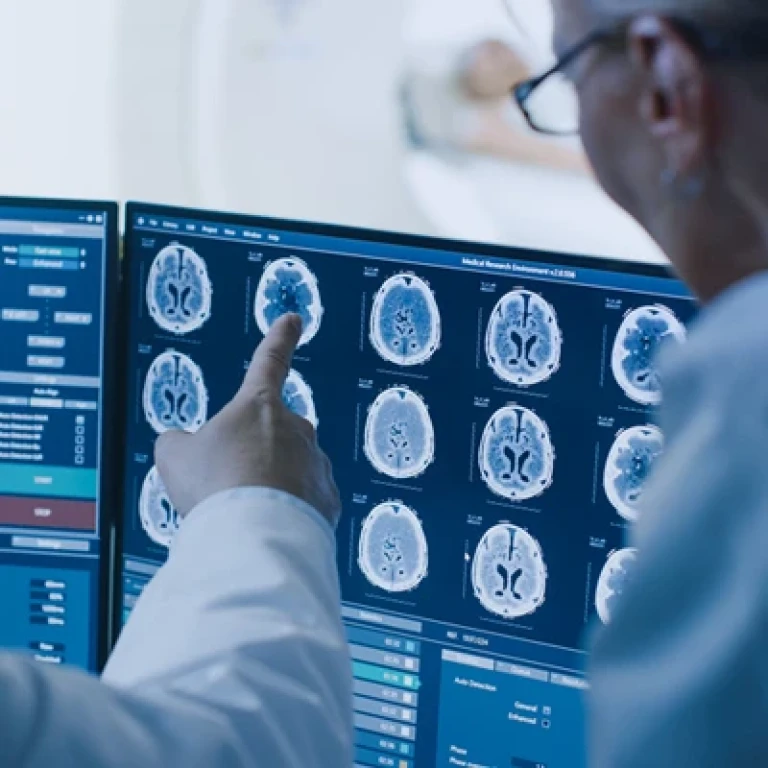
UCSF Radiology Review Comprehensive Imaging 2026

$30.00
This Product is shared via google drive download link, So please share your correct Gmail id while placing the order .Please note that there are no CME points or certificate associated with this course Samples for Courses Can be found here : Free Samples Here!
UCSF Radiology Review Comprehensive Imaging 2026
The UCSF Radiology Review Comprehensive Imaging 2026 is an extensive, case-based educational program designed to provide a practical and comprehensive review of diagnostic imaging across the major radiology subspecialties.
Featuring expert-led lectures, clinically relevant cases, rapid-fire reviews, and CORE-style teaching, this comprehensive UCSF radiology program helps learners strengthen image interpretation, differential diagnosis, imaging protocol selection, patient safety, and clinical decision-making.
The course covers abdominal and pelvic imaging, neuroradiology, musculoskeletal radiology, breast imaging, pediatrics, thoracic imaging, ultrasound, nuclear medicine, interventional radiology, radiation safety, and non-interpretive skills.
With approximately 35 hours of educational material, the UCSF Radiology Review Comprehensive Imaging 2026 is particularly useful for radiologists, residents, fellows, physicians, and other medical professionals seeking a structured radiology review or preparing for board-style examinations.
Course Details
Course: UCSF Radiology Review Comprehensive Imaging 2026
Original Release: August 16, 2026
Duration: Approximately 35 Hours
Included Content: 66 Video Lectures + 1 PDF
Specialty: Radiology / Diagnostic Imaging
Format: Digital Educational Course
Target Audience: Radiologists, physicians, residents, fellows, and other medical professionals
Focused, Case-Based Radiology Review
The program takes a practical, case-oriented approach to radiology education.
In addition to traditional didactic lectures, the course incorporates rapid-fire cases and CORE-style review sessions, allowing learners to reinforce pattern recognition and develop more systematic approaches to image interpretation.
Major areas covered include:
- Abdomen & Pelvis
- Gastrointestinal Imaging
- Genitourinary Imaging
- Neuroradiology
- Neurovascular Imaging
- Musculoskeletal Radiology
- Breast Imaging
- Obstetric & Gynecologic Imaging
- Ultrasound
- Pediatric Radiology
- Thoracic Imaging
- Cardiac Imaging
- Nuclear Medicine
- Interventional Radiology
- Radiation Safety
- CT & MR Safety
- Quality Assurance
- Non-Interpretive Skills
What Is Included?
The UCSF Radiology Review Comprehensive Imaging 2026 package contains:
✓ 66 Video Lectures
✓ 1 PDF
✓ Approximately 35 Hours of Educational Content
✓ Case-Based Radiology Teaching
✓ Rapid-Fire Review Sessions
✓ CORE-Oriented Cases
✓ Multiple Major Radiology Subspecialties
Learning Objectives
After completing the program, participants should be better able to:
- Identify imaging fundamentals across major radiology subspecialties.
- Select appropriate imaging modalities such as CT, MRI, ultrasound, PET, and mammography for different medical conditions.
- Implement appropriate imaging protocols for common clinical presentations.
- Recognize indications and important markers for interventional procedures.
- Assess outcomes associated with interventional procedures.
- Apply pathophysiological mechanisms to formulate appropriate differential diagnoses.
- Refine imaging criteria to improve image quality and diagnostic interpretation.
- Review important principles related to imaging safety and quality assurance.
Complete Course Topics
Abdomen, Pelvis, GI & GU
Bowel and Abdomen — Joseph Leach, MD PhD
Rapid-Fire Pancreatic CORE Cases — Sina Houshmand, MD
Liver Disease — Cheng Hong, MD
Biliary Tract — Michael Ohliger, MD PhD
Splenic Masses — Emily Webb, MD
Mesentery — Derek Sun, MD
Fluoroscopy — Omar Hassan, MD
Benign Gynecologic Disease — Joelle Harwin, MD
Malignant Gynecologic Disease — Omar Hassan, MD
Rapid-Fire Renal CORE Cases — Omar Hassan, MD
Renal and Adrenal Masses — Jane Wang, MD
Bladder, Prostate, Urethra — Sean Woolen, MD MS
Rapid-Fire Cases – GI and GU — Joseph Leach, MD PhD
Thoracic & Cardiac Imaging
Congenital Cardiac Anomalies and Post-Repair — YooJin Lee, MD
Patterns of Lung Diseases — Maya Vella, MD
Pleura and Mediastinal Masses — Jonathan Liu, MD
Lung CA and Metastases — Jae Ho Sohn, MD
Imaging of Airways Disease — Maya Vella, MD
Rapid-Fire Cases – Chest X-rays — Maya Vella, MD
Breast Imaging
Masses and Asymmetries — Jessica Hayward, MD
Calcifications — Heather Greenwood, MD
Palpable Lumps — Amie Lee, MD
Breast MRI — Tatiana Kelil, MD
Breast US — Lori Strachowski, MD
Rad-Path Correlation — Lori Strachowski, MD
Rapid-Fire Breast Cases — Shirley Chou, MD MPH
Breast Imaging – Multiple Choice Galore — Elissa Price, MD
Pediatric Radiology
Pediatric Chest — Taylor Chung, MD
Pediatric MSK — Bamidele Kammen, MD
Pediatric GU — Kayla Cort, MD
Pediatric Emergencies — Raymond Sze, MD
Neuroradiology & Neurovascular Imaging
Neurovascular Anatomy – Normal and Malformations — Masis Isikbay, MD
Cerebrovascular Diseases – Infarcts and Hemorrhages — Allen Ye, MD
Brain Core Cases – Supratentorial — Soonmee Cha, MD
Pediatric Neuro Diseases — Weiya Mu, MD
Head and Neck Primer — Elizabeth George, MBBS
Degenerative Spinal Diseases — Jason Talbott, MD PhD
Spine Core Cases — Charlie Wang, MD PhD
4th Ventricular Masses – Rapid-Fire Exam Review — Masis Isikbay, MD
ABR Core – Non-Interpretive Skills — Soonmee Cha, MD
Ultrasound & Women’s Imaging
Rapid-Fire Cases – Ultrasound — Lori Strachowski, MD
Liver/Renal Doppler — Joseph Leach, MD PhD
1st Trimester — Joelle Harwin, MD
Uterus and Adnexa US — Alyssa Kirsch, MD
2nd and 3rd Trimesters — Shital Gandhi, MD
Abdominal GI US Cases – What You Need to Know — Hailey Choi, MD
Male GU — Derek Sun, MD
Ultrasound – Technical Tips and Artifacts — John Mongan, MD PhD
Nuclear Medicine, Safety & Interventional Radiology
MR and CT Safety — John Mongan, MD PhD
Nuclear Medicine – Rapid-Fire Cases — Thomas Yohannan, MD
Nuclear Medicine Quality and Safety Part 1 — Yingbing Wang, MD
Nuclear Medicine Quality and Safety Part 2 — Spencer Behr, MD
Angiographic Anatomy — Vishal Kumar, MD
Venous and Lymphatic Interventions — Jaehoon Shin, MD PhD
Biliary, Renal and Oncologic Interventions — Ryan Kohlbrenner, MD
Patient Care in IR – Informed Consent, Sedation, Contrast, Medication — Andrew Taylor, MD, PhD
Nuclear Medicine Part 1 – GI, GU, MSK, and QA — Yingbing Wang, MD
Nuclear Medicine Part 2 – Cardiac, PET, and Thyroid — Roxanna Juarez, MD
Musculoskeletal Radiology
Metabolic Bone Disease — Daria Motamedi, MD
Bone Tumors Rapid-Fire Cases — Matthew Bucknor, MD
Arthritis — Thomas Link, MD PhD
Trauma/Post-Op MSK — Jonathan Friedman, MD
Congenital – Normal Variants — Kevin Sweetwood, MD
Infection – Bone Marrow — Michael Parsa, MD
Rapid-Fire MSK Cases — Ellen Chang, MD
Additional CORE Review
Abdomen and Chest CORE Cases — Stephen Wahlig, MD
Who Should Consider This Course?
The UCSF Radiology Review Comprehensive Imaging 2026 is designed for medical professionals seeking a broad and clinically focused radiology review, including:
- Radiologists
- Radiology residents
- Radiology fellows
- Physicians
- Diagnostic imaging professionals
- Medical professionals preparing for radiology examinations
- Learners looking for a comprehensive radiology refresher
Why This Course Is Useful
One of the major advantages of the UCSF Radiology Review Comprehensive Imaging 2026 is the breadth of material included within a single program.
Instead of concentrating on only one subspecialty, the course brings together abdominal imaging, neuroradiology, breast imaging, MSK, pediatrics, thoracic imaging, ultrasound, nuclear medicine, interventional radiology, safety, and non-interpretive skills.
The combination of didactic teaching and rapid-fire case review can also help learners reinforce important imaging patterns and differential diagnoses.
Related products



Critical Care - Emergency medicine
The Brigham Board Review in Infectious Diseases Brigham and Women’s Hospital Board Review
Anesthesiology & pain medicine
Critical Care - Emergency medicine
Gulfcoast Ultrasound-Guided Upper Extremity Nerve Blocks for Emergency Medicine