
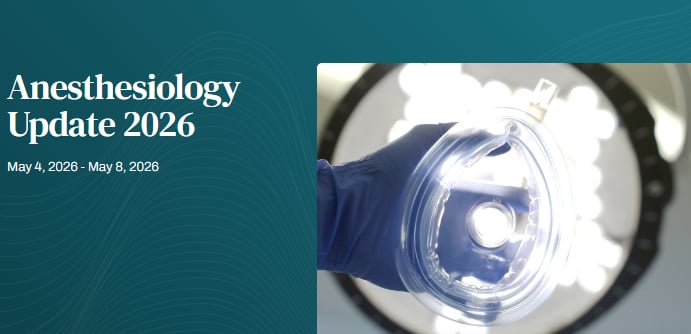
Harvard Anesthesiology Update 2026


$1,375.00
This Product is shared via google drive download link, So please share your correct Gmail id while placing the order .Please note that there are no CME points or certificate associated with this course Samples for Courses Can be found here : Free Samples Here!
Harvard Anesthesiology Update 2026
Comprehensive Perioperative Medicine, Patient Safety & Advanced Anesthesia Update
The Harvard Anesthesiology Update 2026 program provides a comprehensive review of modern anesthesiology, perioperative medicine, patient safety, critical care, regional anesthesia, pain management, and emerging technologies shaping contemporary anesthesia practice.
Presented by internationally recognized Harvard faculty and leading anesthesiology experts, this advanced educational program delivers evidence-based updates, clinical guidelines, innovative technologies, and practical strategies designed to improve patient outcomes across a wide range of perioperative settings.
The curriculum covers major developments in cardiac, regional, thoracic, neuro, pediatric, obstetric, ambulatory, and office-based anesthesia while emphasizing patient safety, risk reduction, enhanced recovery pathways, and quality improvement initiatives.
Participants gain direct access to expert insights, challenging case discussions, current best practices, and practical recommendations that can be immediately implemented in clinical practice.
Course Features
• 87 Video Lectures (+ 4 Bonus Videos)
• 87 VTT Subtitle Files (+ 4 Bonus Subtitle Files)
• 73 PDF Presentations
• Total Size: 30.25 GB (+ 55.27 GB Additional Materials)
• Live Stream & In-Person Conference Access
• Harvard Faculty & International Experts
• Case-Based Learning
• Evidence-Based Clinical Updates
• Interactive Question & Answer Sessions
Target Audience
This course is ideal for:
• Anesthesiologists
• Certified Registered Nurse Anesthetists (CRNAs)
• Anesthesiologist Assistants
• Residents & Fellows
• Student Nurse Anesthetists
• Perioperative Medicine Specialists
It is particularly valuable for clinicians seeking:
• Advanced Airway Management Updates
• Point-of-Care Ultrasound Training
• Artificial Intelligence in Anesthesia
• Regional Anesthesia Education
• Enhanced Recovery After Surgery (ERAS)
• Obstetric & Pediatric Anesthesia Updates
• Advanced Pain Management Strategies
• Patient Safety & Quality Improvement Education
Program Overview
Significant advances in perioperative medicine, patient safety, airway management, artificial intelligence, pharmacology, and pain medicine continue to reshape modern anesthesiology practice.
Harvard Anesthesiology Update 2026 delivers an extensive review of current evidence, emerging technologies, updated clinical guidelines, and innovative treatment approaches across the full spectrum of anesthesia care.
The program explores evolving concepts in perioperative ultrasound, difficult airway management, transfusion medicine, mechanical circulatory support, enhanced recovery pathways, neurocognitive outcomes, and multimodal pain management.
Special emphasis is placed on practical implementation of evidence-based recommendations, helping clinicians integrate new knowledge into everyday anesthesia practice while improving patient safety and perioperative outcomes.
Learning Objectives
Upon completion of this activity, participants will be able to:
• Apply principles of perioperative ultrasound in clinical practice
• Diagnose and develop treatment plans for cerebrovascular emergencies
• Recognize best practices in preoperative evaluation and risk assessment
• Integrate updated difficult airway management guidelines
• Implement evidence-based opioid stewardship and pain management strategies
• Apply current recommendations in obstetric anesthesia
• Incorporate enhanced recovery pathways into perioperative care
• Improve management of patients with obesity and obstructive sleep apnea
• Utilize evidence-based regional anesthesia techniques
• Identify emerging anesthetic drugs and therapies
Core Topics Covered
Artificial Intelligence in Anesthesia
• AI-Assisted Anesthesia Delivery
• Predictive Analytics
• Brain Health Assessment
• Neurocognitive Disorder Prediction
• Clinical Decision Support Systems
Advanced Airway Management
• Difficult Airway Guidelines
• Front-of-Neck Airway Access
• High-Flow Nasal Oxygen
• Airway Rescue Techniques
• Emergency Airway Management
Perioperative Ultrasound
• Cardiac Ultrasound
• Gastric Ultrasound
• Lung Ultrasound
• Point-of-Care Ultrasound Applications
• Perioperative Imaging Strategies
Pain Management & Opioid Stewardship
• Multimodal Analgesia
• Enhanced Recovery Protocols
• Methadone in Clinical Practice
• Opioid Reduction Strategies
• Acute Pain Management
Cardiac & Critical Care Anesthesia
• Mechanical Circulatory Support
• Intracardiac Devices
• Perioperative Resuscitation
• Hemodynamic Optimization
• Advanced Cardiovascular Monitoring
Obstetric Anesthesia
• High-Risk Obstetric Patients
• Evidence-Based Maternal Care
• Obstetric Emergencies
• Labor Analgesia Updates
Pediatric & Neuroanesthesia
• Pediatric Perioperative Care
• Neuroanesthesia Updates
• Cerebrovascular Emergencies
• Neurologic Risk Reduction
Thoracic & Regional Anesthesia
• Regional Anesthesia Techniques
• Thoracic Anesthesia
• Ultrasound-Guided Blocks
• Enhanced Recovery Strategies
Patient Safety & Quality Improvement
• APSF Updates
• Risk Reduction Strategies
• Quality Measurement
• Safety Checklists
• Perioperative Best Practices
Anesthetic Pharmacology
• New Hypnotics
• Emerging Analgesics
• Target-Controlled Infusion
• GLP-1 Agonists
• Future Drug Development
Educational Features
✔ Harvard Faculty & International Experts
✔ Comprehensive Perioperative Medicine Updates
✔ Evidence-Based Clinical Recommendations
✔ Advanced Ultrasound Education
✔ Challenging Clinical Cases
✔ Patient Safety Focus
✔ Interactive Expert Discussions
✔ Immediate Clinical Application
Why This Course Stands Out
✔ Comprehensive Coverage of All Major Anesthesia Subspecialties
✔ Strong Focus on Artificial Intelligence & Emerging Technologies
✔ Advanced Airway Management Education
✔ Extensive Point-of-Care Ultrasound Training
✔ State-of-the-Art Pain Management Strategies
✔ Current Patient Safety & Quality Improvement Updates
✔ Practical Recommendations for Daily Clinical Practice
✔ Harvard Faculty Leadership
Clinical & Educational Value
Harvard Anesthesiology Update 2026 provides one of the most comprehensive reviews of modern anesthesiology available today.
By integrating advances in perioperative medicine, airway management, ultrasound, patient safety, critical care, pharmacology, regional anesthesia, pain medicine, and artificial intelligence, this program equips anesthesiologists and CRNAs with the knowledge necessary to deliver safer, more effective, and evidence-based patient care.
The practical focus, multidisciplinary curriculum, and expert faculty make this course an outstanding educational resource for clinicians seeking to remain current with the latest developments in anesthesiology and perioperative medicine.
4. Topics
-
01 Welcome
-
02 Why the Future of Anesthesiology Shines Bright
-
03 Opioids and Obstructive Sleep Apnea The Latestin 2026
-
04 Target Controlled Infusion (TCI) Conceptual Overview and Practical Considerations
-
05 Current Risks and Benefits of Blood Transfusion
-
06 Q&A Drs. Egan, Gropper, Kharasch, and Mason
-
07 Patients Post-PACU Out of Sight – Out of Mind
-
08 Perioperative Neurocognitive Decline Acetaminophen, SCOPE, and Multimodal General Anesthesia
-
09 How Total Intravenous Anesthesia (TIVA) Evolved into a Viable Alternative to Inhalational Techniques A View from the Front Lines
-
10 Q&A Drs. Egan, Kharasch, O’Gara, and Subramaniam
-
11 Physiological Effects of High Flow Nasal Cannula
-
12 Perioperative Neurocognitive Disorders
-
13 Spontaneous Ventilation Friend or Foe
-
14 Building an Evidence Base for Personalized Regional Anesthesia
-
15 Q&A Drs. Mauri, O’Gara, and Schreiber
-
16 Leveraging Technology and Artificial Intelligence forSmarter Anesthesia Systems
-
17 Artificial Intelligence and Medication Safety in the Perioperative Setting
-
18 Artificial Intelligence and the Anesthesia Workforce Addressing Shortages and Optimizing Care
-
19 Fireside Chat Patient Safety in the Era of Artificial Intelligence Challenges, Opportunities, and the Future of Anesthesia Care + Q&A
-
20 POCUS in the Obstetric Patient
-
21 Cardiac Disease in Pregnancy
-
22 Oxytocin and Alternative Uterotonic Agents for Cesarean Delivery
-
23 Maternal Hemorrhage Don’t Give up on Mom
-
24 Pain During Cesarean Delivery Avoiding Traumatic Birth Experiences
-
25 Q&A Drs. Farber, Flood, Hess, Naoum, and Tsen
-
26 The Analgesic Pipeline Suzetrigine and Vocacapsaicin
-
27 Waking up Happy General Anesthesia for Patients with Chronic Pain
-
28 Q&A Drs. Flood, Shafer, and Valovska
-
29 Pain Management in People Using Opioids
-
30 All Things Are Poison Antidotes in Anesthesia
-
31 Persistent Opioid Use After Surgery
-
32 Cognitive Computing and Disruptive Technology Why We Won’t Be Replaced Anytime Soon
-
33 Hot Topics in Anesthesia What Is New in the Last 12 Months
-
34 Q&A Drs. Forget, Hemmings, Mountjoy, and Shafer
-
35 The Management of Cannot Intubate, Cannot Oxygenate Scenario
-
36 Unexpected Difficult Intubation Are You Prepared
-
37 Challenges of the Bleeding Airway
-
38 Q&A Drs. Kodali, O’Gara, and Osborn
-
39 Perioperative Resuscitation and Life Support What Is Different in the Operating Room
-
40 The Science Has Spoken and It’s Probably Wrong
-
41 Management of Sepsis in 2026 New Guidelines
-
42 Q&A Drs. Nunnally, O’Gara, and Sites
-
43 Preoperative Evaluation for Ambulatory Surgery
-
44 Enhanced Recovery in Ambulatory Surgery
-
45 Office-Based Anesthesia Update 2026
-
46 Outcomes in Ambulatory Surgery
-
47 Q&A Drs. Rajan, Shapiro, Sweitzer, and Urman
-
48 Regional Blocks for Hip and Rib Fractures Evidence-Based Techniques and Best Practice
-
49 Adding Perioperative Methadone to Your Practice Understanding the Current Evidence
-
50 Ultrasound-Guided Neuraxial Blocks
-
51 Q&A Drs. Gerner, Kamdar, and Stone
-
52 Tips and Pearls for Getting Published in Regional Anesthesia and Pain Medicine Insight from an Editor-in-Chief
-
53 Update on Rebound Pain After Nerve Blocks
-
54 Exploring the Potential Role of Artificial Intelligence in Prediction and Management of Perioperative Neurocognitive Disorders
-
55 Management of Pain After Cesarean Section When Neuraxial Opioids Are Not an Option
-
56 Q&A Drs. Saxena, Sites, Uppal, and Valovska
-
57 Lessons from the ASA Advisory on Perioperative Care of Older Adults
-
58 Fundamentals of Evidence-Based Preoperative Screening and Testing
-
59 Hemostatic Resuscitation for Traumatic Hemorrhage
-
60 Perioperative Use of Genetics and Genomics to Improve Patient Care
-
61 Monitoring and Antagonism of Neuromuscular Blockade
-
62 Q&A Drs. Domino, Dutton, Mountjoy, Muehlschlegel, and Vetter
-
63 Quality in Anesthesiology Do We Know It When We See It
-
64 Preoperative Optimization of Patients with Complex Diseases
-
65 Frontiers in Quality Measurement and Quality Improvement in Anesthesiology
-
66 Q&A Drs. Dutton, Mason, Pimental, and Vetter VIDEO NOT RELEASE
-
67 Neuroprognostication and Shared Decision-Making
-
68 Optimizing the ABCDEF Bundle
-
69 Risk Prediction Atrial Fibrillation and Cardiac Surgery
-
70 Q&A Drs. Devlin, D. Muehlschlegel, S. Muehlschlegel, and Valovska
-
71 Blood Management in 2026
-
72 Scores in Pediatric Anesthesia
-
73 Remimazolam Is This the New Propofol
-
74 Play Now or Pay Later State-of-the-Art Pain Management in Children
-
75 Learning from Our Mistakes Lessons Learned
-
76 Q&A Drs. Boretsky, Goobie, Habre, Jones, and Mason
-
77 State of the Art in Awake Craniotomy
-
78 Point-of-Care Ultrasound in Anesthesia Where We Are and Future Directions
-
79 From Mendelson to GLP-1 Agonists Risk Factors for Pulmonary Aspiration
-
80 Perioperative Management of Patients with Implantable Cardiac Devices
-
81 Management of Patients with Left Ventricular Assist Devices for Non-Cardiac Surgery
-
82 Q&A Drs. Crowley, Goettel, Hobai, Mountjoy, and Palmer
-
83 Ethical Dilemmas in the ICU The Anesthesiologist’s Moral Compass
-
84 The Power of Hope
-
85 Comfort Symptom Management for Patients and Their Families at the End of Life
-
86 Communication Needs of Patients and Their Families at the End of Life
-
87 Continuity Hospice Care and Care of the Bereaved in 2026
-
88 Q&A Drs. Khanna, Leiter, Lin, Matsuya, Santo, and Siddiqui + Concluding Remarks
Related products

Critical Care - Emergency medicine
Critical Care - Emergency medicine
Gulfcoast Ultrasound-Guided Upper Extremity Nerve Blocks for Emergency Medicine

Critical Care - Emergency medicine
Critical Care - Emergency medicine
Gulfcoast Pediatric Emergency and Critical Care Ultrasound 2019

Anesthesiology & pain medicine
Anesthesiology & pain medicine
GULFCOAST Introduction to Ultrasound-Guided Regional Anesthesia 2019