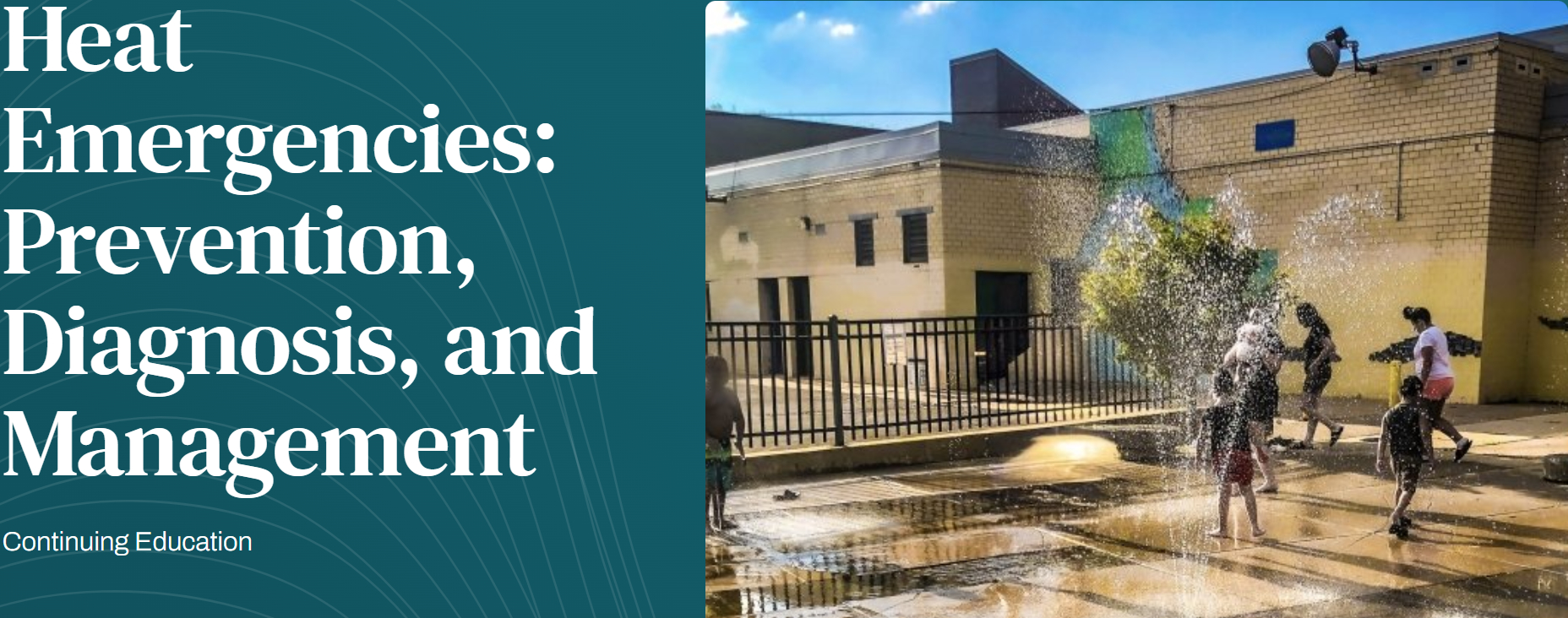
Harvard Heat Emergencies Prevention, Diagnosis and Management 2025

$90.00
This Product is shared via google drive download link, So please share your correct Gmail id while placing the order .Please note that there are no CME points or certificate associated with this course Samples for Courses Can be found here : Free Samples Here!
Harvard Heat Emergencies: Prevention, Diagnosis and Management 2025
Introduction
The Harvard Heat Emergencies: Prevention, Diagnosis and Management 2025 course is a specialized multidisciplinary education program focused on the growing clinical challenges associated with heat-related illness, environmental heat exposure, and climate-associated medical emergencies. Developed through Harvard Medical School, this virtual lecture-based program provides clinicians and emergency responders with practical, evidence-informed training in the recognition, prevention, evaluation, and treatment of heat-related medical conditions across diverse patient populations and healthcare settings.
As global temperatures continue to rise and extreme heat events become increasingly common, healthcare professionals are encountering more cases of heat exhaustion, heat stroke, dehydration syndromes, exertional heat illness, and multisystem heat-related complications affecting vulnerable populations. Clinicians must now integrate environmental medicine, public health preparedness, emergency stabilization, thermal physiology, and preventive healthcare strategies into everyday patient care and emergency response planning.
This 4 half-day virtual course combines expert-led lectures, thermal physiology education, organ-system focused clinical review, and public health prevention strategies to help participants improve clinical decision-making and preparedness for heat-related emergencies in both routine and disaster-response settings.
Files Included
The Harvard Heat Emergencies: Prevention, Diagnosis and Management 2025 educational package may include comprehensive heat illness and environmental medicine learning materials designed for flexible professional education.
Included resources may consist of:
- Virtual lecture sessions
- Clinical heat emergency reviews
- Evidence-based management discussions
- Public health and prevention education
- Organ-system focused clinical presentations
- Emergency preparedness discussions
- Heat-related illness management strategies
- Case-based clinical learning content
- Downloadable educational materials where available
These resources support continuing education in environmental medicine, emergency response, heat-related illness management, and public health preparedness.
Why This Course Is Important
Heat-related illness has emerged as a major global public health concern affecting athletes, outdoor workers, elderly patients, children, individuals with chronic disease, and communities exposed to prolonged environmental heat events. Rising temperatures, urban heat exposure, climate variability, and increasing rates of vulnerable populations have contributed to a growing burden of heat exhaustion, heat stroke, renal injury, cardiovascular stress, neurologic complications, and heat-associated mortality.
Modern clinicians and emergency responders must understand not only the diagnosis and treatment of heat emergencies, but also the underlying thermal physiology, medication interactions, risk stratification, community prevention strategies, and disaster preparedness approaches necessary to reduce morbidity and mortality during heat-related events.
The Harvard Heat Emergencies 2025 course addresses these challenges through a clinically practical and multidisciplinary curriculum focused on heat-related pathophysiology, emergency stabilization, organ-system complications, public health preparedness, and preventive intervention strategies.
What Participants Will Learn
Participants completing this course will strengthen their understanding of heat-related illness, environmental emergency medicine, and preventive heat health strategies.
Learning objectives include:
- Understanding the epidemiology of heat-related illness and environmental heat exposure
- Recognizing the thermal physiology underlying heat-related clinical syndromes
- Diagnosing and managing heat exhaustion, heat stroke, and heat syncope
- Developing differential diagnoses for heat-related medical presentations
- Identifying populations at increased risk for heat-related complications
- Understanding medication interactions that increase heat vulnerability
- Managing heat illness in low-resource and event medicine settings
- Recognizing heat-related impacts across cardiovascular, renal, neurologic, and mental health systems
- Applying community-based and public health heat prevention strategies
- Improving preparedness and response planning for extreme heat events
The curriculum integrates emergency medicine, environmental health, thermal physiology, nephrology, behavioral health, public health preparedness, and preventive medicine into a comprehensive educational experience.
Full Course Topics & Lectures
Epidemiology & Public Health of Heat Illness
Epidemiology of Heat-Related Illness
Environmental Heat Exposure Trends
Population-Level Heat Vulnerability
Public Health Approaches to Heat Prevention
Climate and Heat Health Preparedness
Thermal Physiology & Pathophysiology
Basics of Thermal Physiology
Heat Regulation Mechanisms
Physiologic Responses to Heat Stress
Organ-System Effects of Heat Exposure
Dehydration and Thermoregulation
Heat-Related Clinical Emergencies
Heat Stroke
Heat Exhaustion
Heat Syncope
Exertional Heat Illness
Differential Diagnosis of Heat Emergencies
Emergency Stabilization Strategies
Clinical Management & Treatment Strategies
Evidence-Based Heat Illness Management
Cooling Techniques and Emergency Treatment
Hydration and Electrolyte Management
Multisystem Heat Injury Management
Emergency Department and Field Management
Organ-System Complications of Heat Illness
Cardiovascular Effects of Heat Exposure
Kidney Disease and Heat Stress
Neurologic Complications
Mental Health and Behavioral Health Effects
Multiorgan Dysfunction in Severe Heat Illness
Pharmacology & Heat Interactions
Medication-Induced Heat Vulnerability
Pharmacologic Risk Factors
Medication Safety in Extreme Heat
Patient Counseling and Prevention Strategies
Special Populations & Risk Assessment
Older Adults and Heat Risk
Athletes and Exertional Heat Illness
Outdoor Workers
Pediatric Heat Illness
Chronic Disease and Heat Vulnerability
Event Medicine & Low-Resource Settings
Heat Illness Preparedness in Event Medicine
Low-Resource Heat Emergency Management
Disaster and Mass Gathering Preparedness
Emergency Response Coordination
Prevention & Community Strategies
Individual Heat Prevention Measures
Community-Based Prevention Programs
Public Health Communication Strategies
Health Systems Preparedness
Anticipatory Guidance for At-Risk Patients
Educational Experience & Learning Features
The Harvard Heat Emergencies: Prevention, Diagnosis and Management 2025 course combines environmental medicine education with emergency care training and public health preparedness strategies.
Educational features include:
- Virtual lecture-based learning format
- 4 half-day educational sessions
- Expert-led clinical discussions
- Heat illness management education
- Organ-system focused medical reviews
- Public health prevention strategies
- Emergency preparedness training
- Case-based environmental medicine discussions
- Practical prevention and response planning
- Flexible online professional education
The curriculum integrates thermal physiology, emergency medicine, environmental health, nephrology, behavioral medicine, and preventive care into a clinically practical educational platform.
Who Should Take This Course
The Harvard Heat Emergencies 2025 course is intended for clinicians and emergency professionals involved in acute care, public health, environmental medicine, and emergency preparedness.
This course is especially valuable for:
- General physicians
- Emergency medicine physicians
- Primary care physicians
- Specialty physicians
- Physician assistants
- Nurse practitioners
- Nurses
- Pharmacists
- Emergency responders
- Public health professionals
- Clinicians caring for vulnerable populations exposed to heat-related illness
The curriculum is particularly relevant for healthcare professionals seeking stronger expertise in environmental emergency medicine, heat illness prevention, and heat-related clinical management.
Clinical Applications & Practice Benefits
The course provides clinically practical education focused on improving recognition, prevention, and management of heat-related illness across diverse healthcare environments.
Participants gain practical insight into:
- Early recognition of heat-related emergencies
- Differential diagnosis of heat-associated syndromes
- Emergency stabilization and cooling strategies
- Medication-related heat risk assessment
- Community and population-based heat prevention planning
- Management of vulnerable patient populations
- Organ-system complications of severe heat exposure
- Event medicine preparedness and disaster response
- Environmental medicine and public health integration
The educational content strengthens clinical confidence while supporting improved preparedness for heat-related emergencies and environmental health challenges.
Professional Summary
The Harvard Heat Emergencies: Prevention, Diagnosis and Management 2025 course from Harvard Medical School provides a comprehensive and clinically focused review of modern heat-related illness management, environmental emergency medicine, and public health preparedness.
Through expert-led lectures, multidisciplinary clinical review, thermal physiology education, and preventive healthcare strategies, the curriculum explores heat stroke, heat exhaustion, heat syncope, organ-system heat injury, medication interactions, emergency stabilization, and population-level prevention approaches relevant to modern healthcare practice.
Its integration of emergency medicine, environmental health, nephrology, behavioral medicine, and community preparedness makes this course a valuable educational resource for clinicians, emergency responders, and healthcare professionals involved in the care of patients affected by heat-related illness and extreme environmental heat exposure.
+ Topics:
All agenda sessions are in Eastern Time.
Day 1 – Monday, June 16, 2025
Theme: Welcome, Overview, and Importance of Heat Clinical Education
Speakers: Tess Wiskel, Caleb Dresser
| Time | Session Title | Speaker(s) |
|---|---|---|
| 1:00 – 1:30 pm | Defining Heat | Caleb Dresser |
| 1:30 – 2:15 pm | Heat Physiology | Robert Meade |
| 2:15 – 3:00 pm | Epidemiological Impacts of Heat | Antonella Zanobetti |
| 3:00 – 4:00 pm | Case Studies of Heat-Related Illness | Gayle Kouklis, Mary Meyer, Tara Benesch |
| 4:00 – 4:45 pm | Closing Remarks and Q&A | Caleb Dresser, Tess Wiskel |
| 4:45 – 5:00 pm |
Day 2 – Wednesday, June 18, 2025
Theme: Clinical Management of Heat-Related Illness
Speakers: Caleb Dresser, Tess Wiskel
| Time | Session Title | Speaker(s) |
|---|---|---|
| 1:00 – 1:15 pm | Welcome and Recap | Caleb Dresser, Tess Wiskel |
| 1:15 – 2:00 pm | Event Medicine and Heat-Related Illness | John Jardine, MD |
| 2:00 – 3:00 pm | Current Evidence on Heat-Related Illness | Kurt Eifling |
| 3:00 – 3:45 pm | Diagnosis of Heat-Related Illness | Tess Wiskel |
| 3:45 – 4:45 pm | Management of Heat-Related Illness | Caleb Dresser |
| 4:45 – 5:00 pm | Closing Remarks and Q&A | Tess Wiskel, Caleb Dresser |
Day 3 – Monday, June 23, 2025
Theme: Heat Impacts on Special Populations
Speakers: Caleb Dresser, Tess Wiskel
| Time | Session Title | Speaker(s) |
|---|---|---|
| 1:00 – 1:15 pm | Welcome and Recap | Caleb Dresser, Tess Wiskel |
| 1:15 – 2:00 pm | Heat, Kidney Disease, and Outdoor Work | Nathan Raines |
| 2:00 – 2:45 pm | Pharmaceutical Considerations in Hot Weather | Hayley Blackburn |
| 2:45 – 3:15 pm | Small Group Discussions: What Special Populations Are You Worried About in Your Practice, and What Can Be Done? | Caleb Dresser, Tess Wiskel |
| 3:15 – 4:00 pm | Heat-Related Illness in Special Populations | Bruce Bekkar, Marissa Hauptman, Manijeh Berenji, Nisha Shah |
| 4:00 – 4:45 pm | Heat and Behavioral Health | Elizabeth Pinsky |
| 4:45 – 5:00 pm | Closing Remarks and Q&A | Caleb Dresser, Tess Wiskel |
Day 4 – Wednesday, June 25, 2025
Theme: Prevention, Systems, and Policy Solutions
Speakers: Caleb Dresser, Tess Wiskel
| Time | Session Title | Speaker(s) |
|---|---|---|
| 1:00 – 1:05 pm | Welcome and Recap | Caleb Dresser, Tess Wiskel |
| 1:05 – 2:00 pm | Prevention and Management in Low-Resource Settings | Satchit Balsari |
| 2:00 – 2:45 pm | Practical Resources for the Busy Clinician | Geoffrey Comp, Caleb Dresser, Tess Wiskel |
| 2:45 – 3:45 pm | Health System Impacts & Preparedness for Extreme Heat | Jeremy Hess |
| 3:45 – 4:30 pm | Preventive Solutions Through Public Health and Policy | Jane Gilbert |
| 4:30 – 5:00 pm | Closing Remarks and Q&A | Caleb Dresser, Tess Wiskel |
Related products