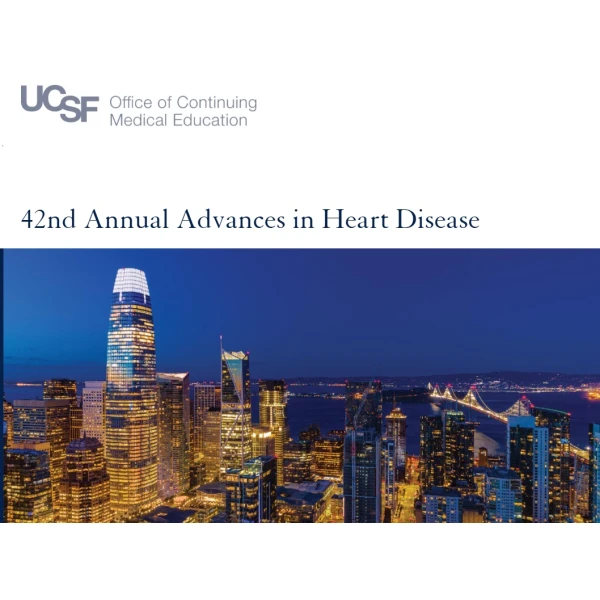
UCSF 42nd Annual Advances in Heart Disease 2025
$80.00
This Product is shared via google drive download link, So please share your correct Gmail id while placing the order .Please note that there are no CME points or certificate associated with this course Samples for Courses Can be found here : Free Samples Here!
UCSF 42nd Annual Advances in Heart Disease 2025
Introduction
The UCSF 42nd Annual Advances in Heart Disease 2025 is a comprehensive cardiovascular medicine educational program designed to provide clinicians with practical updates in the diagnosis, prevention, and management of contemporary cardiovascular disease. Developed by UCSF Health, this longstanding annual course brings together cardiovascular experts to review evolving clinical guidelines, interventional strategies, arrhythmia management approaches, heart failure therapies, preventive cardiology, and emerging evidence shaping modern cardiac care.
Focused on clinically relevant and practice-oriented education, the course explores a broad spectrum of cardiovascular topics including coronary artery disease, atrial fibrillation, thromboembolic disorders, hypertension, lipid management, valvular heart disease, percutaneous coronary intervention, heart failure, and cardiovascular risk reduction. The curriculum also highlights the growing importance of social determinants of health and their impact on cardiovascular outcomes and treatment access.
Designed for specialists and frontline clinicians caring for patients with cardiovascular disease, the program integrates guideline-focused instruction with practical decision-making strategies to support improved patient outcomes across outpatient, inpatient, and procedural cardiovascular settings.
Files Included
The UCSF 42nd Annual Advances in Heart Disease 2025 educational package includes advanced cardiovascular medicine learning resources.
Included resources may include:
- Cardiovascular medicine lectures
- Clinical cardiology presentations
- Guideline-focused educational sessions
- Interventional cardiology discussions
- Heart failure and arrhythmia management updates
- Preventive cardiology reviews
- Valvular heart disease education
- Thromboembolic disease management sessions
Additional highlights:
- Comprehensive cardiovascular update curriculum
- Multidisciplinary cardiology education
- Practice-focused clinical teaching
- Evidence-informed cardiovascular management discussions
These resources support continuing medical education in cardiology, preventive cardiovascular medicine, arrhythmia management, interventional cardiology, and advanced cardiovascular therapeutics.
Why This Course Is Important
Cardiovascular disease remains the leading cause of morbidity and mortality worldwide, while treatment strategies continue to evolve rapidly through advances in interventional cardiology, electrophysiology, heart failure therapeutics, antithrombotic management, structural heart interventions, and preventive cardiovascular medicine.
Clinicians managing cardiovascular patients must stay current with changing guidelines, emerging pharmacologic therapies, procedural innovations, and increasingly personalized approaches to cardiovascular risk assessment and treatment planning. At the same time, growing awareness of healthcare disparities and social determinants of health has highlighted the need for more equitable cardiovascular care delivery.
The UCSF 42nd Annual Advances in Heart Disease 2025 addresses these challenges through a broad and clinically practical curriculum focused on contemporary cardiovascular management, procedural decision-making, risk reduction strategies, and multidisciplinary patient care.
What Participants Will Learn
Participants completing this course will strengthen their expertise in modern cardiovascular disease management and preventive cardiology.
Learning objectives include:
- Optimizing management of coronary heart disease
- Applying current hypertension and lipid disorder treatment strategies
- Managing systolic and diastolic heart failure
- Improving treatment approaches for atrial fibrillation and atrial flutter
- Refining ventricular tachycardia ablation considerations
- Applying best practices in percutaneous coronary intervention
- Improving antiplatelet and anticoagulation management strategies
- Recognizing cardiovascular risk stratification principles
- Understanding percutaneous treatment options for valvular heart disease
- Addressing social determinants of health affecting cardiovascular outcomes
The curriculum integrates clinical cardiology, electrophysiology, interventional cardiology, preventive medicine, structural heart disease, and cardiovascular pharmacology into a clinically practical educational experience.
Full Course Topics & Lectures
Coronary Artery Disease & Preventive Cardiology
Coronary Heart Disease Management
Risk Stratification in Cardiovascular Disease
Lipid Disorder Treatment Strategies
Hypertension Management
Preventive Cardiovascular Medicine
Heart Failure & Cardiomyopathy
Systolic Heart Failure
Diastolic Heart Failure
Contemporary Heart Failure Therapies
Cardiometabolic Considerations in Heart Failure
Arrhythmias & Electrophysiology
Atrial Fibrillation Management
Atrial Flutter Ablation Considerations
Ventricular Tachycardia Ablation
Antiarrhythmic Therapy Strategies
Electrophysiology Decision-Making
Interventional Cardiology
Percutaneous Coronary Intervention
Coronary Revascularization Strategies
Structural Heart Interventions
Procedural Cardiovascular Care
Valvular & Structural Heart Disease
Percutaneous Treatment of Valvular Heart Disease
Structural Heart Disease Management
Catheter-Based Valve Therapies
Advanced Valvular Intervention Considerations
Thromboembolic Disease & Antithrombotic Therapy
Thromboembolic Disease Management
Antiplatelet Therapy Optimization
Anticoagulation Strategies in Cardiovascular Disease
Prevention of Cardiovascular Thrombotic Events
Diabetes & Cardiovascular Disease
Cardiovascular Risk in Diabetes
Integrated Cardiometabolic Management
Preventive Approaches in Diabetes-Associated Cardiovascular Disease
Social Determinants & Population Cardiovascular Health
Social Determinants of Health in Cardiology
Health Equity in Cardiovascular Care
Strategies to Improve Cardiovascular Outcomes
Reducing Cardiovascular Care Disparities
Educational Experience & Learning Features
The UCSF 42nd Annual Advances in Heart Disease 2025 combines practical cardiovascular education with contemporary guideline and therapeutic updates.
Educational features include:
- Expert-led cardiovascular medicine lectures
- Guideline-focused cardiology updates
- Interventional cardiology discussions
- Arrhythmia and electrophysiology education
- Preventive cardiology reviews
- Heart failure management updates
- Structural heart disease teaching
- Multidisciplinary cardiovascular care discussions
- Risk stratification and pharmacology education
- Clinically practical cardiovascular decision-making strategies
The curriculum integrates preventive cardiology, interventional cardiology, electrophysiology, heart failure medicine, vascular risk reduction, and structural heart disease into a comprehensive educational platform.
Who Should Take This Course
The UCSF 42nd Annual Advances in Heart Disease 2025 is intended for clinicians involved in cardiovascular diagnosis, treatment, prevention, and long-term cardiac care.
This course is especially valuable for:
- Cardiovascular specialists
- Practicing cardiologists
- Internists
- Family physicians
- Cardiovascular nurses
- Critical care nurses
- Physician assistants
- Advanced cardiovascular practitioners
- Clinicians managing complex cardiovascular disease
The curriculum is particularly relevant for clinicians seeking updated expertise in cardiovascular guidelines, interventional therapies, arrhythmia management, and preventive cardiology.
Clinical Applications & Practice Benefits
The course provides clinically practical cardiovascular education focused on improving patient outcomes, procedural decision-making, and preventive care strategies.
Participants gain practical insight into:
- Coronary artery disease management
- Heart failure treatment optimization
- Arrhythmia and ablation decision-making
- Percutaneous intervention strategies
- Anticoagulation and antiplatelet therapy management
- Cardiovascular risk assessment
- Valvular heart disease intervention planning
- Diabetes-related cardiovascular risk reduction
- Evidence-informed cardiovascular pharmacology
- Health equity and population cardiovascular care strategies
The educational content strengthens clinical confidence while supporting improved cardiovascular outcomes across diverse patient populations.
Professional Summary
The UCSF 42nd Annual Advances in Heart Disease 2025 from UCSF Health provides a comprehensive and clinically practical review of contemporary cardiovascular medicine, preventive cardiology, arrhythmia management, heart failure care, and interventional treatment strategies.
Through expert-led educational sessions and multidisciplinary cardiovascular discussions, the curriculum explores coronary artery disease, hypertension, lipid disorders, atrial fibrillation, thromboembolic disease, valvular interventions, heart failure therapies, and social determinants of cardiovascular health.
Its combination of guideline-focused education, procedural cardiology updates, preventive care strategies, and practical patient management makes this course a valuable educational resource for cardiologists, internists, advanced practice clinicians, and healthcare professionals seeking advanced expertise in modern cardiovascular medicine.
Course Outline
| Date/Time | Topic/Title | Speaker(s) |
| Friday, Dec 12, 2025 |
||
| 7:50 AM | Course Webinar Opens | |
| 8:00 | Welcome and Symposium Overview | Peter Ganz, MD, FACC |
| Session: Frontiers in Interventional Cardiology | Chair: Lucas Zier, MD, MS | |
| 8:05 | Proactive Management of Severe Aortic Stenosis: From Detection to Early Treatment | Sammy Elmariah, MD, MPH, FACC |
| 8:45 | Updates on the Management of Mitral and Tricuspid Valve Disease | Michela Faggioni, MD, FACC |
| 9:25 | A New Perspective on Old Therapies for Myocardial Infarction: Beta Blockers and Spironolactone | Krishan Soni, MD, MBA, FACC |
| 10:05 | Coffee Break | |
| 10:20 | Review of Treatment Guidelines for ACS | John MacGregor, MD, PhD, FACC |
| 11:00 | Renal Denervation Therapy for Resistant Hypertension | Joseph Yang, MD, FACC |
| 11:40 | Updates on Chronic Total Occlusions and Complete Revascularization | Yousif Ahmad, MBBS, PhD |
| 12:20 PM | Lunch (Optional Product Theater) | |
| Session: Advances in Cardiovascular Disease Management and Prevention | Chair: Peter Ganz, MD | |
| 1:50 PM | Cardiovascular-kidney-metabolic (CKM) Syndrome | Chiadi E. Ndumele, MD, PhD |
| 2:30 | Elliot Rapaport, MD Keynote Lecture: Pulmonary Embolism- Historical Perspective and Glimpses into the Future | Samuel Z. Goldhaber, MD |
| 3:15 | Update on the Management of Hypertension – 2025 AHA/ACC Guidelines | Mary Gray, MD |
| 3:55 | Coffee Break | |
| 4:10 | Update on Cardiovascular Complications of Cancer Treatments | Javid Moslehi, MD |
| 4:50 | Contemporary Pulmonary Hypertension Management | Marc Simon, MD, MS, FACC |
| 5:30 | Adjourn | |
| Saturday, Dec 13, 2025 |
||
| 7:30 AM | Continental Breakfast | |
| 7:50 | Course Webinar Opens | |
| 8:00 | Announcements | Peter Ganz, MD |
| Session: Advances and Controversies in Electrophysiology | Chair: Nora Goldschlager, MD, FACC | |
| 8:05 | Leadless vs. Leaded Pacemakers – Which One for Which Patient? | Adam Oesterle, MD |
| 8:45 | When to Anticoagulate Device-detected Atrial Fibrillation – Latest Evidence | Joshua Moss, MD, MS, FACC |
| 9:25 | PACs and Atrial Fibrillation – Association or Causation | Edward Gerstenfeld, MD, MS, FACC |
| 10:05 | Coffee Break | |
| 10:20 | Which ICD is Best for my Patient: Transvenous, Subcutaneous (S-ICD), or Extravascular (EV-ICD)? | Daniel Morin, MD, MPH |
| 11:00 | Atrial Fibrillation and Stroke Prevention – Current Evidence and Glimpse into the Future | Cara Pellegrini, MD |
| 11:40 | Lifestyle and Atrial Fibrillation: Conventional Wisdom versus the Evidence | Gregory Marcus, MD, MAS, FACC |
| 12:20 PM | Lunch (Optional Product Theater) | |
| Session: Advances and Controversies in Electrophysiology (cont.) Chair: Nora Goldschlager, MD, FACC | ||
| 1:20 PM | How to Evaluate Family Members of SCA Victims? | Albert Liu, MD |
| Session: Advances in Heart Failure | Chair: Jonathan Davis, MD, MPH | |
| 1:50 | The Expanding Role of SGLT2 inhibitors and GLP1-Receptor Agonists in Heart Failure and Beyond | Carlos Santos-Gallego, MD |
| 2:30 | A Contemporary Approach to Identifying, Classifying, and Treating Cardiogenic Shock | Christopher Barnett, MD, MHP, FACC |
| 3:10 | Coffee Break | |
| 3:25 | What’s Coming Down the Pipe for Heart Failure. | Liviu Klein, MD, MS |
| 4:05 | Finerenone vs. Spironolactone: Where Does the Non-steroidal MRA Fit into Contemporary Practice? | Shweta Motiwala, MD, MPH, FACC |
| 4:45 PM | Adjourn | |
| Sunday, Dec 14, 2025 |
||
| 7:30 AM | Continental Breakfast | |
| 8:00 | Announcements | Peter Ganz, MD |
| Session: Advances in Managing Cardiovascular Diseases | Chair: Mary Gray, MD | |
| 8:05 | Updates in Pericarditis: From Pathophysiology to Practice | Alan Baik, MD, PhD |
| 8:45 | Management of Cardiovascular Disease for Patients with Kidney Failure Undergoing Maintenance Dialysis | Ruth Dubin, MD |
| 9:25 | Managing Cardiovascular Disease in Pregnancy | Aarthi Sabanayagam, MD, MBBS, FACC |
| 10:05 | Iron Deficiency: A Low Hanging Mineral in Heart Failure Management | Pooja Prasad, MD |
| 10:45 | Use of Artificial Intelligence and Machine Learning to Improve Cardiovascular Outcomes | Lucas Zier, MD, MS |
| 11:25 | Inflammation in the Detection and Treatment of Atherosclerotic Disease | Paul M. Ridker, MD, MPH |
| 12:05 PM | Adjourn | |
Related products


Critical Care - Emergency medicine
2022 UPDATES IN THERAPEUTICS: CRITICAL CARE PHARMACY PREPARATORY REVIEW AND RECERTIFICATION COURSE